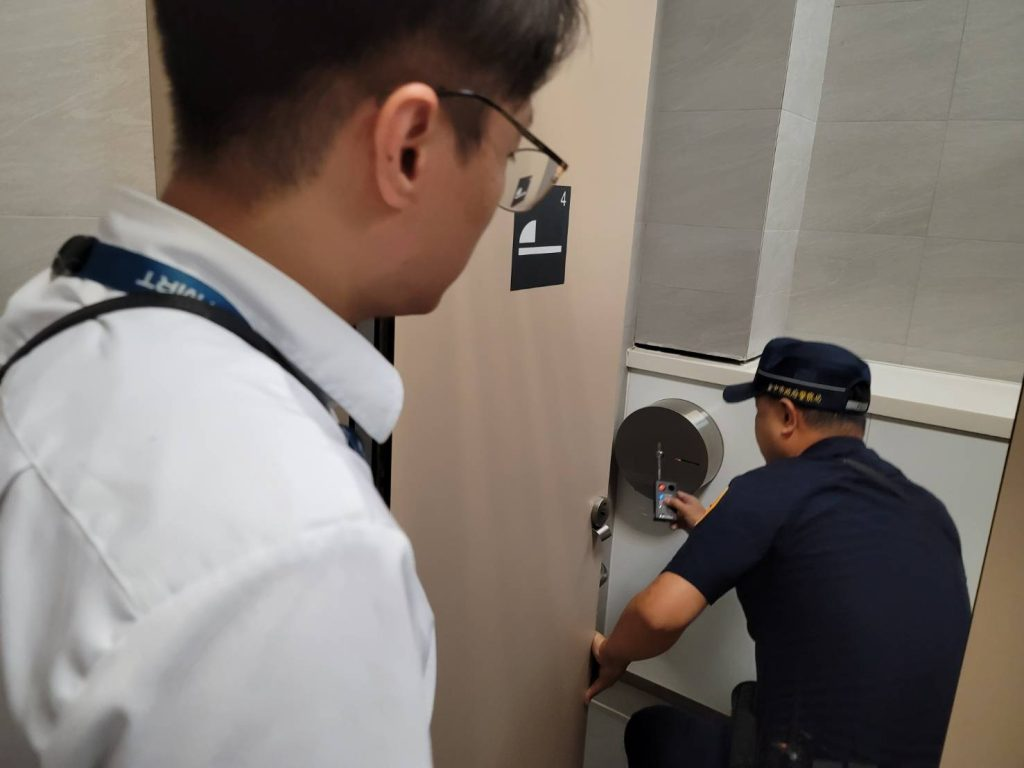
In an era dominated by smartphones and social media, personal privacy has become an increasingly fragile concept. One of the emerging concerns is the prevalence of candid photography, where individuals are photographed without their knowledge or consent. This issue has sparked the development and discussion of anti-candid photography measures, aiming to protect people from unwanted exposure and maintain personal dignity in both public and private spaces. Understanding the importance of anti-candid photography and the methods to enforce it is crucial for individuals and communities striving to safeguard privacy in today’s connected world.
The essence of anti-candid photography lies in awareness and prevention 反偷拍. Many people underestimate how easily modern cameras, even those embedded in everyday devices, can capture images without the subject’s knowledge. From smartphones to hidden cameras in accessories or public spaces, the potential for unauthorized photography is widespread. Individuals who are aware of these risks can take steps to protect themselves, ensuring that their personal moments remain private. Anti-candid photography starts with recognizing vulnerable locations where such photos might be taken, including public transport, shopping areas, cafes, workplaces, and even social events.
Technological solutions play a significant role in anti-candid photography. There are devices designed to detect hidden cameras and prevent unauthorized photographs. Infrared detectors, radio frequency scanners, and smartphone apps can alert users to potential recording devices nearby. While no solution is completely foolproof, combining multiple tools significantly improves the effectiveness of anti-candid photography measures. These technologies provide a sense of security, allowing people to navigate public and private spaces with greater confidence.
Physical vigilance is another essential element in anti-candid photography. People should develop habits of inspecting their surroundings for suspicious or unusual devices. Small holes in walls, strange reflections, or oddly positioned objects could indicate hidden cameras. In public or semi-private environments such as changing rooms, restrooms, or hotel rooms, careful observation can prevent unwanted photos. Anti-candid photography encourages individuals to be proactive and cautious, reducing the likelihood of being photographed without consent.
Education and awareness are key to implementing anti-candid photography effectively. Workshops, online resources, and community campaigns can teach individuals how to protect their privacy and understand the risks associated with candid photography. Educating families, especially children and young adults, about privacy rights, the legal implications of unauthorized photography, and personal safety measures ensures that anti-candid photography becomes part of daily life. Knowledge empowers people to make informed decisions and take proactive steps in protecting themselves.
Legal frameworks are a critical component of anti-candid photography. Many countries have enacted laws that criminalize unauthorized photography in private or sensitive contexts. Being informed about these laws enables individuals to take legal action when their privacy is violated. Legal awareness also reinforces a culture of accountability, discouraging individuals from engaging in candid photography without permission. Advocacy for stronger privacy protections and clear enforcement mechanisms is a vital aspect of promoting anti-candid photography at both community and societal levels.
Community initiatives can further enhance anti-candid photography efforts. Public spaces can implement policies and audits to detect and prevent unauthorized photography, while organizations can establish guidelines for privacy in the workplace. Schools, colleges, and public institutions increasingly recognize the importance of protecting personal privacy, incorporating anti-candid photography measures into their rules and policies. Collective efforts foster environments where people feel safe and respected, reinforcing the broader goals of privacy protection.
Products and tools designed to prevent unauthorized photography are becoming increasingly popular. Anti-spy camera glasses, portable camera blockers, and devices that emit light or signals to disrupt hidden cameras are examples of practical solutions for everyday use. When combined with awareness, vigilance, and legal knowledge, these tools create a comprehensive approach to anti-candid photography. Responsible use of these products ensures that individuals maintain their privacy without infringing on the rights of others.
Digital behavior also plays a role in preventing candid photography. Oversharing personal information or posting real-time location updates online can inadvertently expose individuals to unwanted photography or privacy breaches. Anti-candid photography practices include prudent management of social media accounts, secure use of devices, and careful consideration of what is shared publicly. Families and communities that adopt these habits strengthen their defenses against both physical and digital privacy invasions.
Psychological preparedness is an often overlooked aspect of anti-candid photography. Being aware of potential risks allows individuals to respond calmly and effectively in situations where they suspect unauthorized photography. Remaining composed and taking measured actions—such as reporting incidents, leaving the area, or using detection tools—reduces the likelihood of escalation and ensures personal safety. Developing a mindset of vigilance and preparedness is essential for navigating environments where candid photography may occur.
Anti-candid photography is not a static concept; it must evolve alongside technology. As cameras become smaller, more integrated, and more connected, strategies for detection and prevention must also advance. Staying informed about new technologies, tools, and privacy trends is critical. Continuous learning ensures that anti-candid photography remains relevant and effective in addressing modern privacy challenges. Communities and individuals who embrace ongoing education are better equipped to maintain control over their personal privacy in a rapidly changing digital landscape.
In conclusion, anti-candid photography represents a vital aspect of privacy protection in today’s world. By combining technological solutions, physical vigilance, educational initiatives, legal awareness, responsible digital behavior, and community efforts, individuals can significantly reduce the risk of unauthorized photography. Protecting privacy is both a personal and societal responsibility, fostering environments where people can feel safe, respected, and confident. Anti-candid photography empowers individuals to take control over their personal spaces and information, ensuring that privacy is preserved in a society where technology continues to advance at a rapid pace. As awareness grows and preventive measures are adopted, the culture of privacy protection strengthens, benefiting families, communities, and society as a whole.
